

Research Peptide Blends
Compare multi-component research peptide blends for controlled laboratory work. This collection brings the formulations, current product options, and lot documentation together so a purchasing team can check what is being ordered before selecting a vial or a multi-unit pack.
All products are intended exclusively for laboratory research. Not for human or veterinary use, consumption, or therapeutic applications.
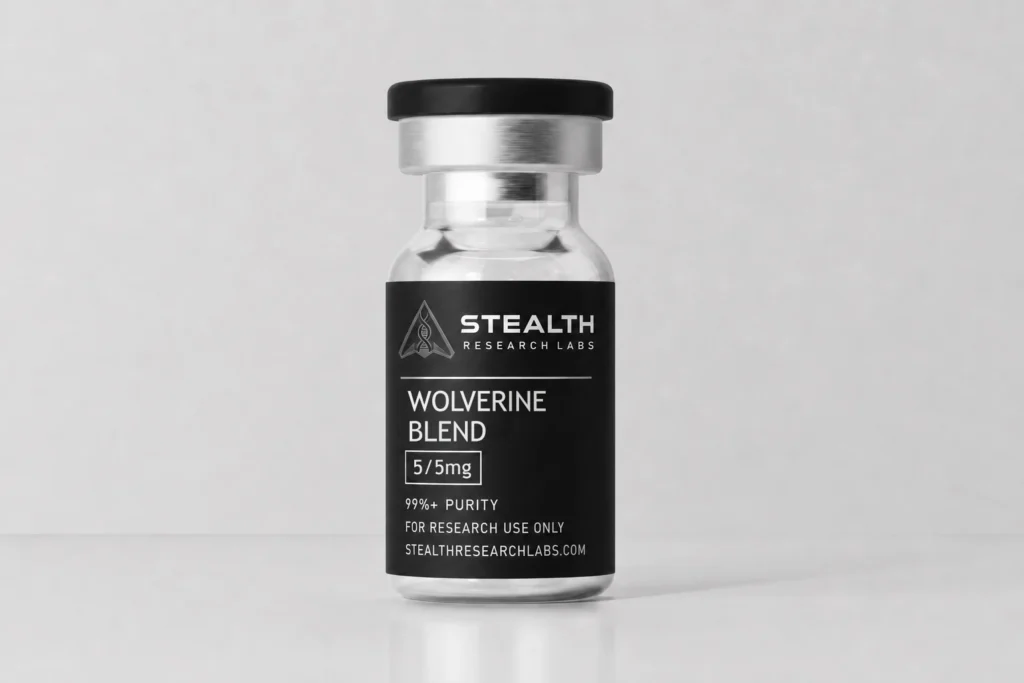
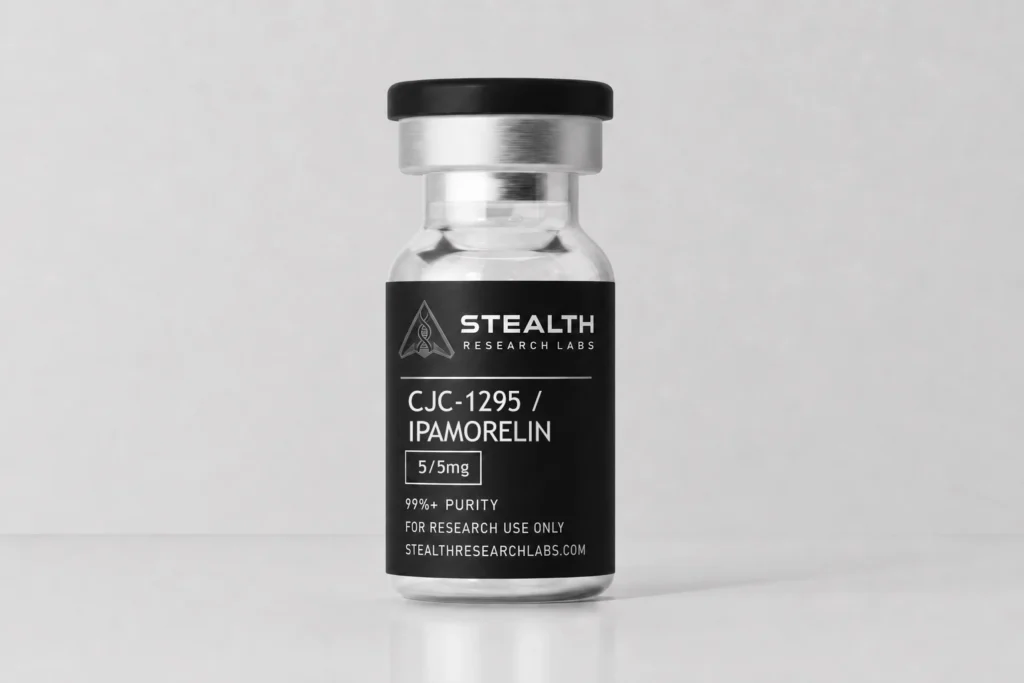
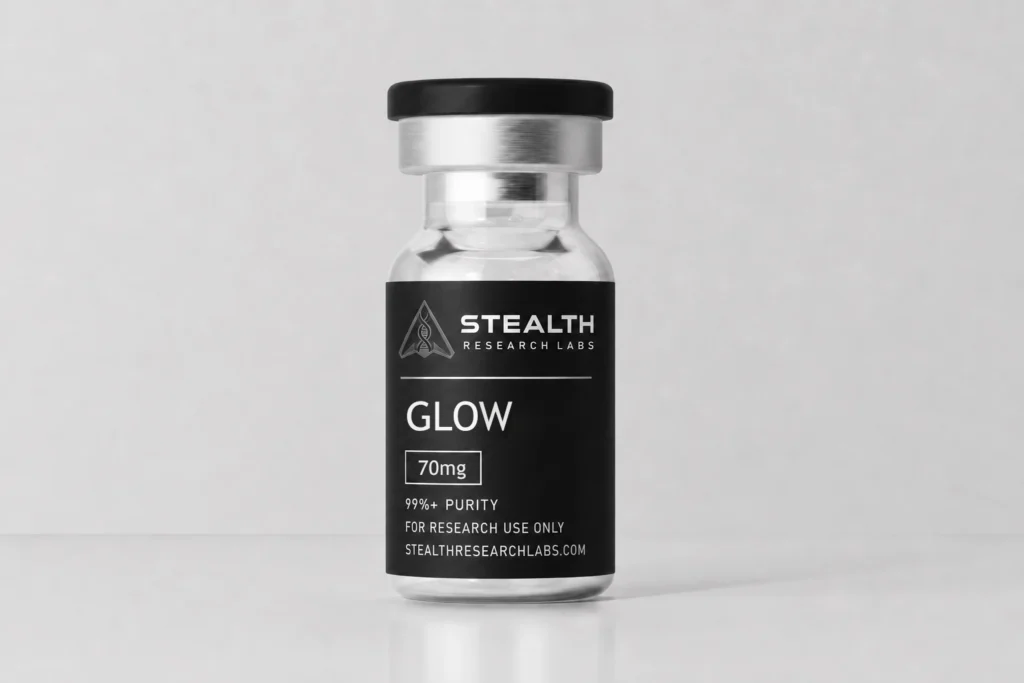
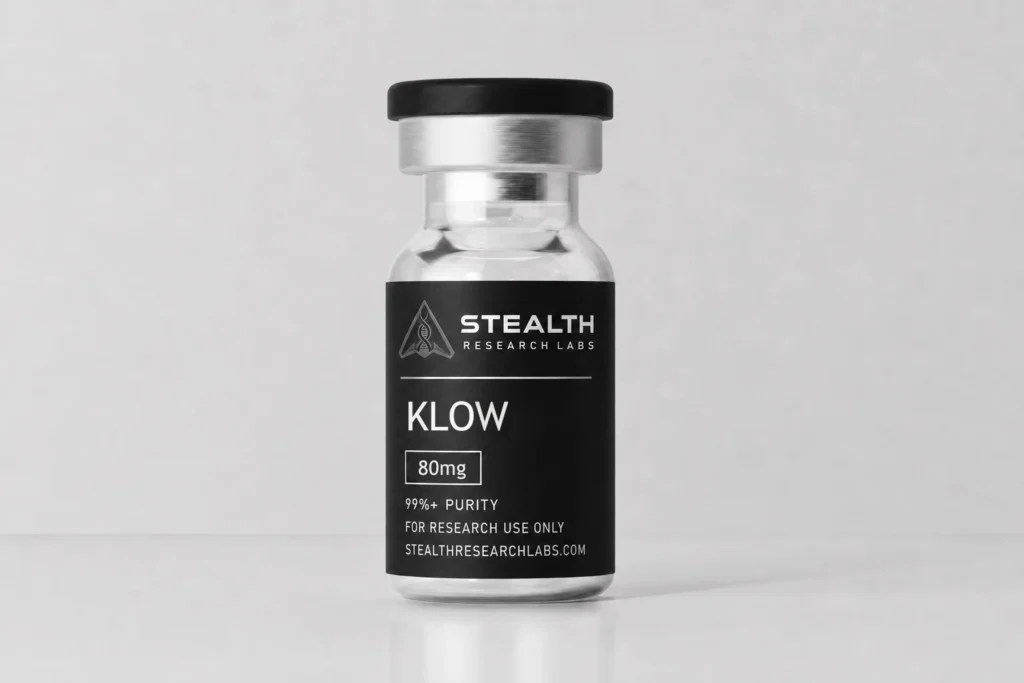
Compare composition, then verify the lot
GLOW Blend: The listed 70 mg format combines GHK-Cu, BPC-157, and TB-500. The product page describes a 50/10/10 mg composition. Confirm the selected product option and the current lot documentation before ordering.
KLOW Blend: The listed 80 mg format includes GHK-Cu, BPC-157, TB-500, and KPV, with a 50/10/10/10 mg composition described on its product page. KLOW and GLOW have different listed component sets; the names alone do not establish equivalence between lots.
Wolverine Blend: A separately listed 10 mg multi-compound research product. Check its product label and applicable lot report for the material under consideration. Do not infer its components or analytical coverage from the blend name.
CJC-1295 (No DAC) + Ipamorelin: A separate two-component lyophilized research listing. Check the stated identity, selected size, and batch documentation on the product page; do not substitute another CJC formulation on the basis of a similar name.
A practical procurement check
- 01 / PROCUREMENTMatch the exact material: Record the product name, formulation, selected size, and lot number. A report for one option or lot does not document another.
- 02 / PROCUREMENTRead the scope of the report: Review which method was used and what the report actually measures. A chromatographic purity percentage alone does not establish identity, amount, sterility, or suitability for a particular experiment.
- 03 / PROCUREMENTCheck availability and logistics: Confirm the current lot and any handling requirements with the supplier before placing a multi-unit order. The shipping policy explains fulfillment and delivery options.
Use the public COA library to find available batch-specific reports. Our COA reading guide explains how to evaluate the methods and limits shown on a report. If your required lot or analytical detail is missing, contact support before ordering.
Common questions
Are these blends interchangeable?
No. Their listed components and quantities differ. Compare the individual product specification and the applicable lot report rather than relying on a blend name.
Does a high purity percentage verify every component?
Not by itself. Interpret a reported percentage together with the analytical method, reference materials, identity evidence, and the specific lot tested. Ask for clarification if the report does not answer your procurement requirement.
Where are larger quantities listed?
Each blend product page links to its corresponding 10-pack where available. Start with the individual listing to check the formulation and documentation, then compare the multi-unit option.
Research guides for choosing a format
Compares the two listed formulations without assuming they are interchangeable.
Covers lot allocation, applicable reports, and receiving records for multi-unit purchasing.
