
Research Use Disclaimer
Research Use Only: All products offered are intended strictly for laboratory research purposes. Products are not for human consumption and are not intended for diagnostic, therapeutic, or medical use. By purchasing from our website, customers confirm they are qualified researchers or laboratories and understand the intended research-use designation.
Bacteriostatic Water
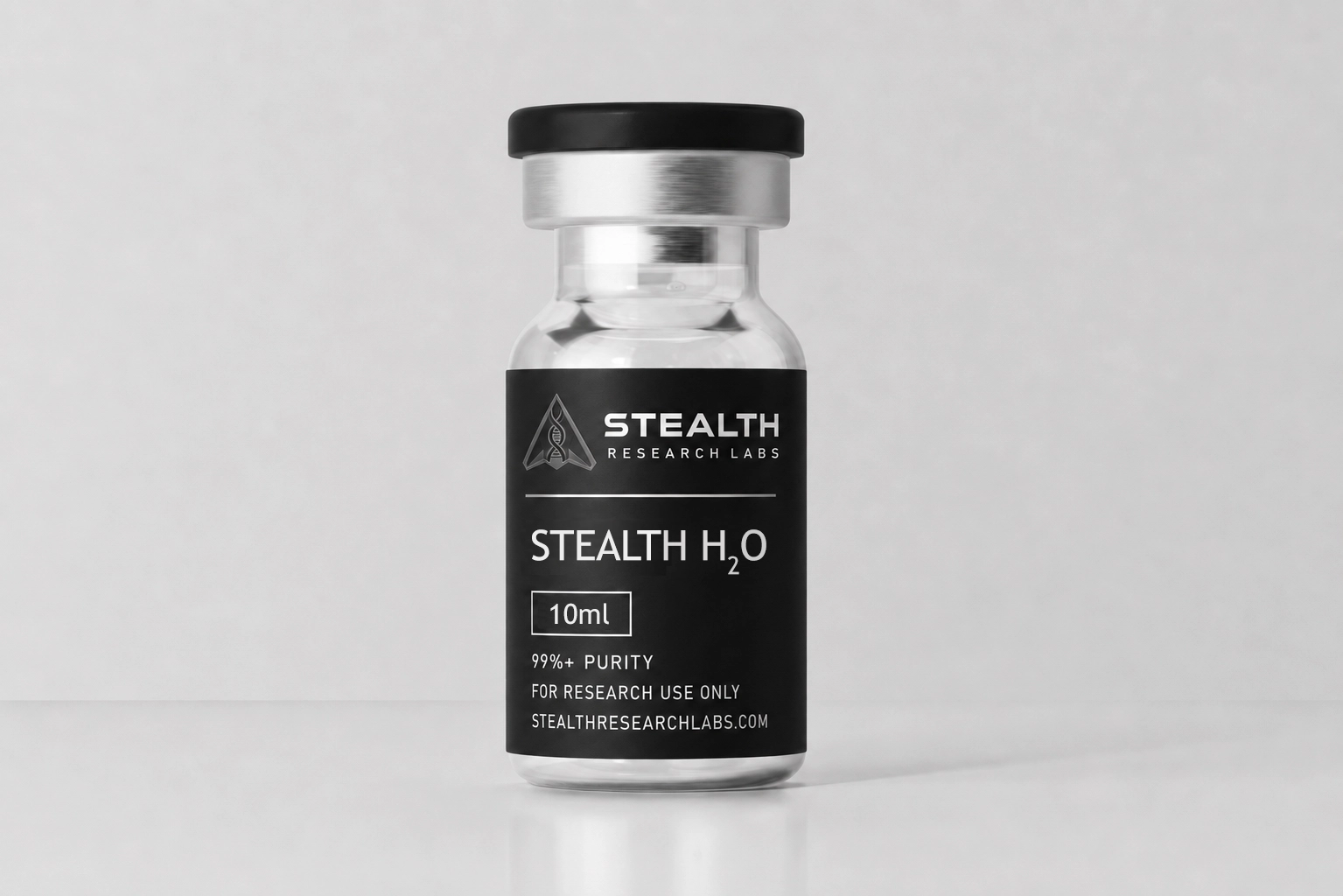
Bacteriostatic Water in 3 mL and 10 mL single-vial options. Check current pricing and stock. For research use only.
$7.99 – $12.99Price range: $7.99 through $12.99
Satisfaction Guaranteed
Secure
Payment
Third-party
Tested
Buy Bacteriostatic Water for laboratory research
Buy bacteriostatic water in 3 mL and 10 mL containers for compatible laboratory preparation workflows. This listing is for an aqueous preparation with 0.9% benzyl alcohol; check the current label and container volume before ordering.
What researchers investigate
The preservative distinguishes this material from water without benzyl alcohol. It can also affect cell viability, enzyme function and analytical signals, so it is not automatically the right solvent for every research compound. A preservative does not repair contaminated material or establish that a prepared solution remains sterile.
Assess solvent and assay compatibility
Check the preservative composition against the current label and confirm that it is compatible with the intended laboratory workflow. Match the final vehicle composition in control samples. A dilution medium can affect a biological or analytical readout even when the compound being investigated is unchanged.
Choosing a laboratory volume
Select the available container volume shown above and confirm the preservative composition, expiry information and container condition. Plan enough volume for the laboratory workflow and appropriate vehicle controls. A larger container does not establish improved quality, compatibility or a longer usable period after opening.
Composition and quality documentation
Review the current label, lot identifier and any available manufacturer or batch documentation for the aqueous preparation. Confirm the stated preservative content and the scope of any documented microbiological or quality specifications. Peptide HPLC area-purity and mass-spectrometry claims do not establish the quality of a water preparation. Preservative content does not repair contamination or guarantee that a later prepared solution remains sterile. Contact support if the documentation your laboratory requires is not available.
Storage and laboratory preparation
Follow the container label and the laboratory’s approved handling procedure. Record first opening and any subsequent transfers. Do not assume a universal period of usability after opening, and do not use this water as a substitute for validating a reagent’s solvent compatibility. Appearance is not a substitute for an analytical stability assessment.
Related research and order formats
Read the relevant research background or technical guide. For coordinated multi-vial purchasing, view the Bacteriostatic Water 10-pack listing.
For qualified laboratory, analytical and in-vitro research only. Not for human or animal consumption, clinical care, diagnosis or treatment.
Bacteriostatic Water: buying questions
Is bacteriostatic water the same as sterile water?
The named bacteriostatic preparation includes benzyl alcohol; water labeled sterile without that preservative is a different formulation. Confirm composition and assay compatibility instead of treating the two names as interchangeable.
For more detail, read Bacteriostatic Water vs Sterile Water: Composition and Lab Documentation. Check the selected format, current price and stock above; contact SRL if your laboratory needs a specific lot document before ordering.
Research Use Disclaimer
Research Use Only: All products offered are intended strictly for laboratory research purposes. Products are not for human consumption and are not intended for diagnostic, therapeutic, or medical use. By purchasing from our website, customers confirm they are qualified researchers or laboratories and understand the intended research-use designation.
Related Compounds